
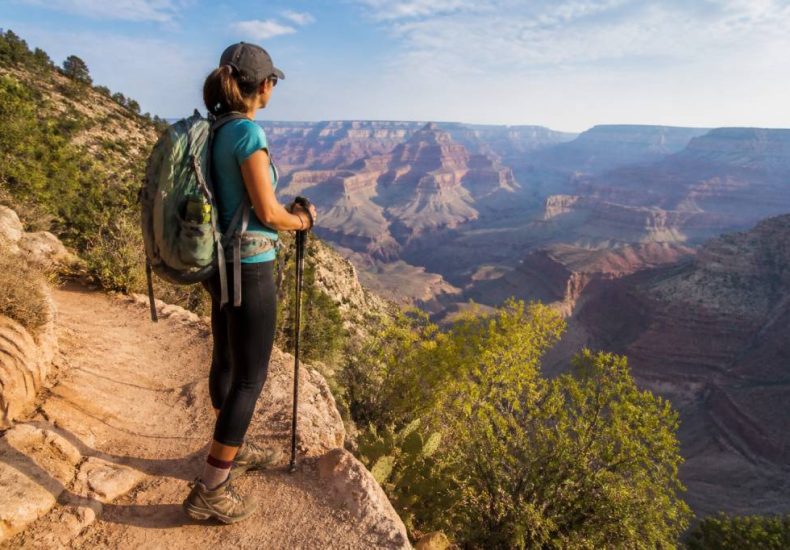
10 essentials for hiking the Grand Canyon
Hiking the Grand Canyon is not a casual walk with a scenic payoff. It is a demanding desert environment with steep elevation changes, intense sun, limited water sources, and weather that can shift faster than many visitors expect. If you are heading below the rim, the difference between a memorable day and a miserable one often comes down to preparation.
After years of working in and around national parks, I can say this with confidence: the Grand Canyon rewards hikers who respect the terrain and punish those who improvise. The good news is that good preparation is straightforward. You do not need a garage full of specialized gear. You need a reliable set of essentials, used correctly, and packed with a clear understanding of the conditions you are entering.
Here are the 10 essentials I recommend for hiking the Grand Canyon, along with practical notes on why each one matters and how to use it effectively on this specific landscape.
Navigation tools you can actually trust
The Grand Canyon is not a place where you want to “figure it out as you go.” Trails can be clear in some sections and deceptively ambiguous in others, especially when you are tired, distracted, or hiking in low light. Carry a paper map of the trail, and make sure you have a downloaded offline map on your phone or GPS device.
Cell service is unreliable in most areas, and batteries drain quickly in heat or cold. A paper map does not care about signal strength. If you are hiking a classic route like Bright Angel or South Kaibab, study the trail profile before you start. Know the water points, rest areas, switchbacks, and your turnaround time. Navigation is not just about finding the trail; it is about knowing where you are in relation to the rim, water, and your energy reserves.
Enough water for the entire hike
If there is one item to take seriously, it is water. The Grand Canyon is dry, hot, and physically punishing, especially on descents where people underestimate how much effort is required to get back out. A common mistake is carrying enough water for the first half of the hike and assuming there will be plenty later. That assumption has ended more than a few “easy day hikes.”
A practical baseline is to carry at least 1 liter per 2 hours of hiking in moderate conditions, and more in summer. On exposed trails or during hotter months, many hikers will need far more. Do not rely on seasonal water sources without checking current park conditions. Fountains can be shut off unexpectedly, and some sources may be unavailable due to maintenance or weather.
Use a hydration bladder or sturdy bottles, but do not forget that volume matters more than convenience. If your pack feels light at the rim, it will feel even lighter halfway down. That is not the time to discover you underpacked.
Electrolytes to replace what sweat removes
Plain water is essential, but it is not always enough. In the canyon, especially in heat, you lose sodium and other electrolytes through sweat. Replacing those helps maintain energy, reduce cramping, and support hydration efficiency. This is especially important on longer hikes or if you are sweating heavily under direct sun.
Bring electrolyte tablets, drink mix, or salty snacks. You do not need a sports drink in every bottle, but you do need a plan for mineral replacement. I have seen hikers drink plenty of water and still feel weak, headachy, and nauseated because they were diluting themselves without replacing salts. That is a bad trade in a place where the next uphill section may be the steepest one of the day.
Sun protection that covers more than your face
The canyon’s sun is relentless because it reflects off rock and hits from multiple angles. Shade is limited, and the temperature you feel in the morning can change quickly once you descend. A hat is good. Sunscreen is good. Sunglasses are good. Together, they are necessary.
Choose a broad-brimmed hat or cap with neck protection if possible. Use sunscreen with a high SPF and reapply it, especially if you are sweating. Sunglasses should offer strong UV protection and a secure fit. Many hikers also benefit from lightweight long sleeves and pants, which may sound counterintuitive until you realize that skin covered from the sun often stays cooler than skin repeatedly exposed to it.
The goal is not to avoid the sun entirely. The goal is to keep it from draining you hour by hour.
Food that delivers steady energy, not just quick sugar
Hiking the Grand Canyon burns energy quickly, and hunger can arrive sooner than expected. You need food that is easy to eat on the move, resilient in heat, and capable of providing sustained fuel. This is not the place for complicated trail cuisine or delicate snacks that turn into a crushed mess.
Carry a mix of quick carbs and more substantial snacks. Good options include trail mix, tortillas with nut butter, jerky, energy bars, dried fruit, and salty crackers. I also recommend packing more food than you think you will need. If your hike takes longer than expected, or if the heat reduces your appetite, having choices matters.
A useful habit: eat before you feel hungry. In the Grand Canyon, waiting until you are starving usually means you have already fallen behind on energy replacement.
Footwear suited to rough, uneven terrain
Your feet are doing serious work out there. The trail surface can include loose rock, sand, steps, slick sections, and long descents that punish poor ankle support and weak traction. Shoes matter more than many first-time hikers expect.
Wear broken-in hiking shoes or boots with reliable grip and enough support for uneven terrain. If you prefer trail runners, that can work too, provided they have good traction and you know they hold up on rugged ground. Avoid brand-new footwear unless you enjoy blisters as a learning experience. Not recommended.
Socks matter as well. Bring moisture-wicking hiking socks and consider a spare pair for longer hikes. On hot days, foot swelling is common, so leave a little room in the toe box. The best shoe in the world will still betray you if it is too tight on the ascent back to the rim.
Layered clothing for changing temperatures
People often picture the Grand Canyon as only hot, but temperatures can vary widely with elevation, time of day, and season. The inner canyon can feel significantly warmer than the rim. Conversely, early mornings, winter hikes, and shaded sections can be cool enough to warrant an extra layer.
Dress in layers you can add or remove as conditions change. A lightweight base layer, sun-protective outer layer, and packable insulating layer are a smart combination. Even in warm weather, carrying a thin windbreaker or fleece can be useful if you stop moving, get caught in a storm, or finish late.
Clothing should dry quickly and avoid heavy cotton, which holds moisture and can become uncomfortable or even risky in variable weather. If your shirt feels like a wet towel, it is already working against you.
Lighting for early starts and late returns
Headlamps are one of the easiest essentials to overlook and one of the most useful to have. Many Grand Canyon hikers start before sunrise to avoid peak heat. Others return later than planned because the climb out took more effort than expected. In both cases, a reliable light source keeps you safe and oriented.
Bring a headlamp, not just a phone flashlight. A headlamp keeps your hands free, which is especially important on uneven terrain, steep steps, or when you need to inspect footing. Check the batteries before you leave, and carry spares if the model uses them. If your hike extends into twilight, even familiar trail sections can become harder to read than expected.
Light is not only for emergencies. It is also for pacing, footing, and reducing avoidable mistakes when you are tired.
First aid supplies for common trail problems
You do not need a field hospital in your pack. You do need a small first aid kit tuned to the kinds of issues hikers actually face in the canyon: blisters, scrapes, minor cuts, headaches, and muscle irritation. A compact, well-thought-out kit is far more useful than a bulky one you never open.
At minimum, carry adhesive bandages, blister treatment, antiseptic wipes, gauze, tape, pain relief medication if appropriate for you, and any personal medications. If you are prone to blisters, tape or moleskin can save a hike. If you are prone to headaches or mild altitude-related discomfort, address those early rather than hoping they disappear on their own.
Do not forget that dehydration, heat stress, and fatigue often show up first as small issues. A good first aid kit helps you manage the early signs before they become something bigger.
Emergency communication and a basic safety plan
One of the most practical essentials is not a physical item alone, but a plan. Tell someone where you are hiking, which route you are taking, and when you expect to return. In a place like the Grand Canyon, that simple step can matter more than any gadget in your pack.
For communication, a fully charged phone is useful even without service, and a portable power bank adds a margin of safety. For more remote or serious backcountry travel, consider a satellite communicator. These devices are not necessary for every day hike, but they can be wise for longer or more isolated routes.
Also know your limits before you start. The canyon is famous for luring hikers into overcommitting because the first half feels manageable. The real challenge is often the return climb, especially in heat. A smart turnaround time is part of your safety plan.
Extra items that make a real difference on the canyon trail
The classic 10 essentials cover the core of safe hiking, but a few additional items deserve mention because they are especially useful in the Grand Canyon.
One is trekking poles. They are not mandatory, but they can reduce strain on knees during descents and improve stability on loose or uneven sections. Another is a lightweight towel or bandana, which can help with sweat management and cooling. A small trash bag is also useful for carrying out waste, wet items, or anything you want to keep separate from dry gear.
If you are hiking during warmer months, a small amount of extra water for cooling purposes can be valuable. Not for wasteful dousing, but for soaking a cloth, wetting your hat, or helping regulate body temperature during rest stops. Small choices like that can make the difference between steady progress and a draining struggle.
How to pack the essentials without overloading yourself
A common mistake is to hear “bring the essentials” and respond by packing like you are preparing for a month in the wilderness. That is unnecessary and counterproductive. The goal is not maximum gear. The goal is a pack that supports safe movement, hydration, and problem-solving without dragging you down.
Use a checklist before every hike. Ask yourself: do I have water, navigation, sun protection, food, light, layers, first aid, and a communication plan? If the answer is yes, you are already ahead of many visitors. Then adjust based on trail length, season, and your fitness level. A short rim walk in spring has different needs than a full descent and climb in July.
Efficiency matters. The less time you spend wondering whether you forgot something important, the more attention you can give to footing, pacing, and the landscape itself.
Smart habits that matter as much as gear
Gear helps, but behavior matters just as much. Start early. Pace yourself. Drink regularly instead of waiting until you are thirsty. Eat before your energy drops. Check the weather. Respect turn-around times. None of this is dramatic, but it is exactly what keeps hikers out of trouble.
And if you are new to canyon hiking, do not let the first steep descent fool you. Going down is only the opening chapter. Coming back up is where the story becomes memorable for the right reasons, or for the kind of reasons people tell at family dinners while still sounding mildly traumatized.
The Grand Canyon is one of the most rewarding hiking environments in North America, but it asks for attention and humility. Bring these essentials, use them intelligently, and you will give yourself the best possible chance to enjoy the trail, the views, and the experience rather than merely survive them.